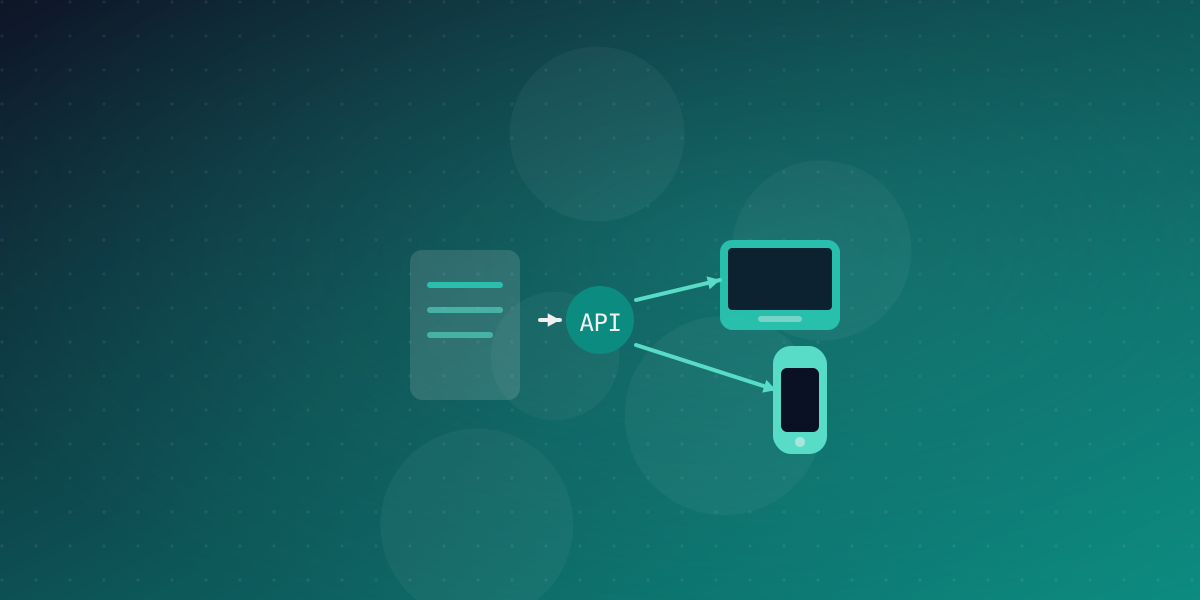
Headless commerce — separating the storefront front end from the commerce engine behind an API — is one of the most hyped moves in retail tech. It can deliver blazing performance and total design freedom. It can also add cost and complexity you did not need. Knowing which outcome you will get comes down to your specific situation.
The real payoff: speed and freedom
With a headless architecture, your storefront is a modern front end you fully control, calling a commerce engine for catalogue, cart, and checkout. That means best-in-class Core Web Vitals, the freedom to build any experience you can design, and the ability to serve web, app, and other channels from one commerce backend.
Go headless when…
- Site speed and conversion are directly tied to your revenue.
- You sell across multiple channels from one product catalogue.
- Your brand needs a custom experience a template cannot deliver.
- You have (or will hire) a front-end team to own the storefront.
Headless is a trade: you buy performance and flexibility with the responsibility of building and running the front end yourself.
Stay on the platform when…
If you run a single storefront, need to ship fast on a lean budget, and a good theme gets you 90% of the way there, a traditional platform like Shopify is the rational choice. Headless is a powerful tool — but like any tool, it is only an advantage when the job actually calls for it.